
Heat Pump Efficiency: How Installation and Repairs Affect Performance
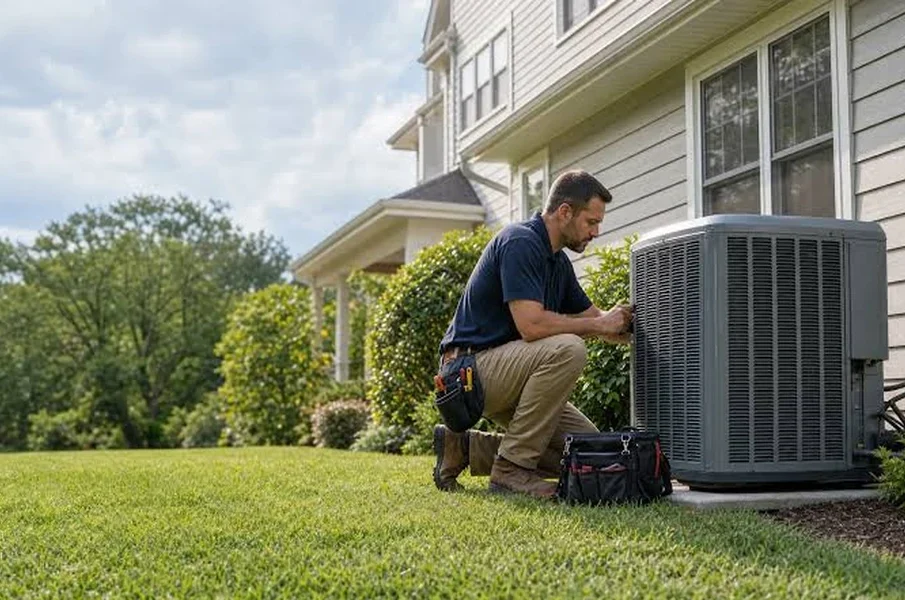
A heat pump that runs longer than expected, struggles to keep rooms comfortable, or drives up energy bills often signals more than normal wear. Installation quality and timely repairs play a direct role in how efficiently the system moves heat, and small problems can quietly reduce performance over time.
Homeowners who invest in a heat pump expect reliable year-round comfort and lower operating costs. Achieving those results depends heavily on correct setup and ongoing care. Professional heat pump repair and installation in Wallace, NC, ensures the system is sized, charged, and connected properly from the start, while skilled repairs restore efficiency when components begin to degrade.
Why Installation Quality Determines Real-World Efficiency
Heat pumps transfer heat rather than generate it, which is why they can deliver more heating or cooling energy than the electricity they consume. That advantage only holds when the system is installed correctly. An oversized unit short-cycles, turning on and off too frequently. This wastes energy, reduces humidity control, and increases wear on the compressor. An undersized unit runs almost continuously yet still fails to meet demand on hotter or colder days.
Proper installation also requires accurate refrigerant charge. Too little refrigerant limits the system’s ability to absorb and release heat. Too much can damage the compressor and lower efficiency. Ductwork matters just as much. Leaky, poorly insulated, or undersized ducts allow conditioned air to escape into attics or crawl spaces before it reaches living areas. The heat pump then works harder to compensate, raising energy use.
Outdoor unit placement affects airflow and heat exchange. Units blocked by vegetation, fences, or debris cannot draw or reject heat effectively. Electrical connections, line-set length, and thermostat compatibility further influence performance. A careful load calculation that accounts for the home’s insulation, windows, orientation, and local climate is essential before any equipment is selected.
How Common Issues Reduce Heat Pump Performance
Even a well-installed heat pump loses efficiency when problems develop. Restricted airflow is one of the most frequent causes. Dirty filters, clogged coils, or closed supply vents force the system to work against resistance. The compressor runs longer, energy use rises, and indoor comfort suffers.
Refrigerant leaks slowly deplete the charge. A system that once met its rated efficiency can drop noticeably as the refrigerant level falls. The reversing valve, which switches the unit between heating and cooling modes, can stick or fail. When that happens, the system may heat poorly in winter or cool inadequately in summer.
Electrical problems, failing capacitors, or a struggling compressor also cut performance. Auxiliary electric heat strips may engage more often than necessary, especially if the heat pump cannot keep up. Because those strips use far more electricity, overall operating costs climb quickly.
Outdoor coils that collect dirt, leaves, or pollen reduce heat transfer. In colder weather, frequent defrost cycles caused by restricted airflow or low refrigerant further lower efficiency.
Practical Steps Homeowners Can Take
Regular attention helps preserve efficiency between professional visits. Replace or clean air filters every one to three months, depending on household conditions such as pets or dust. Keep the outdoor unit clear of debris, grass clippings, and overgrown plants so air can circulate freely. Ensure supply and return vents remain open and unobstructed by furniture or curtains.
Watch for warning signs that suggest declining performance: uneven temperatures from room to room, longer run times, unusual noises, ice buildup on the outdoor unit during mild weather, or a sudden rise in energy bills without a corresponding change in outdoor temperatures. These indicators often point to airflow restrictions, refrigerant issues, or component wear that need professional attention.
Simple thermostat adjustments also help. Avoid large setbacks that force the system to rely heavily on auxiliary heat. Steady, moderate temperature settings allow the heat pump to operate in its most efficient range.
When Professional Assessment Becomes Necessary
Some problems require tools and training that go beyond homeowner maintenance. Refrigerant recovery and recharge must follow environmental regulations and manufacturer specifications. Diagnosing compressor performance, testing electrical components, and verifying proper airflow demand specialized equipment. When a heat pump is more than a decade old or has required repeated repairs, a professional evaluation can determine whether continued service still makes economic sense or whether a newer, higher-efficiency unit would better serve the home.
Qualified technicians also check that the system still matches the home’s current needs. Additions, improved insulation, or changes in occupancy can alter the heating and cooling load. In those cases, heat pump repair and installation in Wallace, NC, can include proper resizing or system upgrades that restore efficient operation.
Long-Term Care That Protects Efficiency
Annual professional maintenance keeps coils clean, refrigerant levels correct, and moving parts lubricated. Technicians inspect electrical connections, test safety controls, and confirm that the reversing valve and defrost cycle function as designed. Addressing minor issues early prevents larger efficiency losses later.
Homeowners can further support performance by improving the building envelope. Sealing air leaks, adding attic insulation, and ensuring windows and doors close tightly reduce the load on the heat pump. These steps allow the system to maintain comfort with less runtime and lower energy use.
Key Takeaways
Proper installation sets the foundation for efficient heat pump operation, while timely repairs and routine care protect that performance over the system’s life. Attention to sizing, airflow, refrigerant levels, and component condition prevents the gradual efficiency losses that drive up energy costs and reduce comfort.
When performance declines or a new system is under consideration, scheduling a professional evaluation ensures the equipment matches the home’s needs and operates as designed. Consistent maintenance and prompt attention to warning signs keep a heat pump delivering reliable, efficient comfort for years.


