Metal Barndominium Living: Combining Residential Comfort With Structural Durability
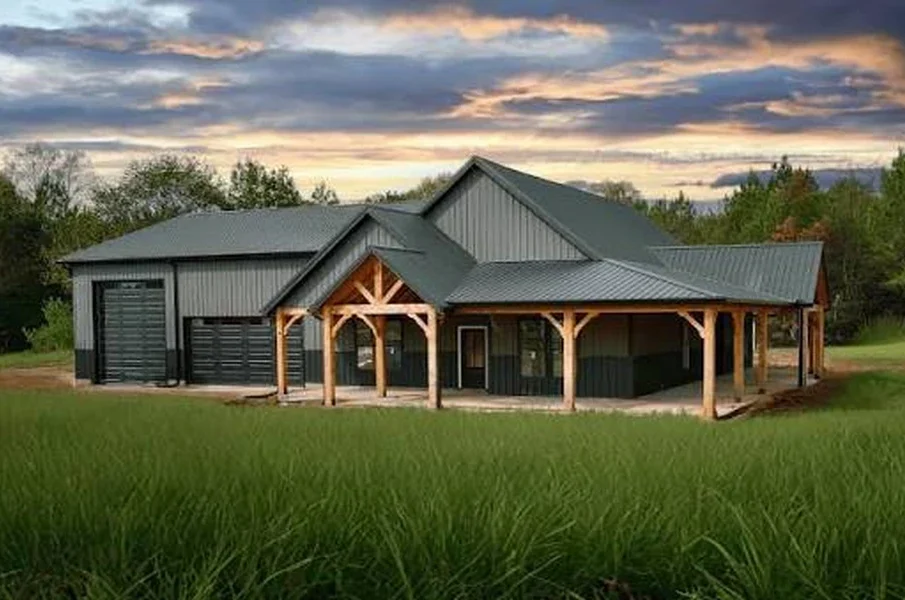
Homeowners are increasingly exploring alternatives to conventional housing that offer more space, practical layouts, and dependable construction. Steel buildings, once associated primarily with agricultural and industrial purposes, are now becoming attractive residential options. Their adaptable designs allow homeowners to create comfortable living environments while benefiting from the strength of modern construction materials.
A metal barndominium combines the structural advantages of steel with the convenience and appearance of a contemporary home. From spacious interiors to customizable floor plans, these properties provide opportunities for homeowners who want durability without sacrificing everyday comfort.
Strong Structural Foundations for Long-Term Living
Structural reliability is one of the most important considerations when building a home. Steel framing offers considerable strength and can support large building spans without requiring numerous interior load-bearing walls. This flexibility allows homeowners to create spacious rooms while maintaining a dependable structural framework.
Unlike traditional wood framing, steel does not attract termites and is not susceptible to rot. Properly designed steel structures can also withstand challenging environmental conditions, although performance depends on engineering, construction quality, and local weather requirements.
Protective coatings and appropriate maintenance help reduce corrosion risks, contributing to the building’s long-term durability.
Open Floor Plans That Support Modern Lifestyles
Traditional residential construction often includes multiple interior walls that separate living areas. Barndominiums offer greater flexibility because steel framing can accommodate expansive spaces with fewer structural interruptions.
Homeowners can design open kitchens that connect naturally with dining rooms and living areas. Large windows, high ceilings, and thoughtfully positioned lighting can make these interiors feel welcoming and comfortable.
Flexible layouts are particularly useful for families whose needs change over time. A spacious room might initially serve as a children’s play area before becoming a home office, entertainment space, or additional bedroom.
Insulation Makes a Major Difference in Comfort
Although steel provides structural strength, proper insulation is essential for maintaining comfortable indoor temperatures. Metal transfers heat readily, making thermal planning an important part of residential steel construction.
Spray foam insulation, insulated metal panels, and properly installed thermal barriers can help control heat transfer. Effective insulation also reduces condensation risks when combined with suitable moisture management and ventilation.
Homeowners should consider local climate conditions when selecting insulation materials. A property in a hot region may require different thermal solutions than one exposed to prolonged winter temperatures.
Energy-efficient windows and well-designed HVAC systems further support consistent indoor comfort.
Exterior Designs That Go Beyond Industrial Appearance
Modern steel homes do not need to resemble warehouses or agricultural buildings. Contemporary exterior finishes allow homeowners to create attractive residential designs that complement surrounding landscapes.
Wood accents, stone features, covered porches, and decorative entryways can soften the appearance of metal siding. Different roof profiles and exterior colors also provide opportunities for architectural personalization.
Large glass doors can connect indoor living areas with patios or outdoor entertainment spaces. These features create a balanced appearance that combines practical construction with residential character.
Practical Maintenance and Ownership Considerations
Maintenance requirements can significantly influence the long-term cost of homeownership. Steel construction eliminates certain concerns associated with wood, including termite damage and structural decay.
However, metal buildings still require regular inspections. Roof fasteners, protective finishes, drainage systems, and exterior connections should be checked periodically to identify potential problems.
Homeowners should also evaluate construction expenses beyond the steel building package. Foundations, plumbing, electrical systems, insulation, interior finishing, and permits can represent substantial portions of the total project budget.
Understanding these costs early helps prevent unexpected financial challenges during construction.
Customization for Different Household Needs
One appealing feature of barndominium construction is its adaptability to different lifestyles. Some homeowners prioritize large family gathering areas, while others want dedicated workshops, storage rooms, or hobby spaces.
Attached garages and covered outdoor areas can be incorporated into the overall building design. Separate living quarters may also be possible where local regulations permit.
Thoughtful planning ensures that these additional features support daily activities without compromising privacy or residential comfort.
Conclusion
Metal barndominium living offers an alternative for homeowners seeking spacious interiors, structural strength, and architectural flexibility. Steel construction provides a durable framework, while modern insulation, attractive finishes, and personalized layouts help create comfortable residential environments.
With proper engineering, realistic budgeting, and attention to thermal performance, these homes can combine practical durability with the warmth and functionality expected from modern residential living.