
Gas vs. Propane Standby Generators for Austin, Texas Homes: Which Backup Power System Is Right for You?
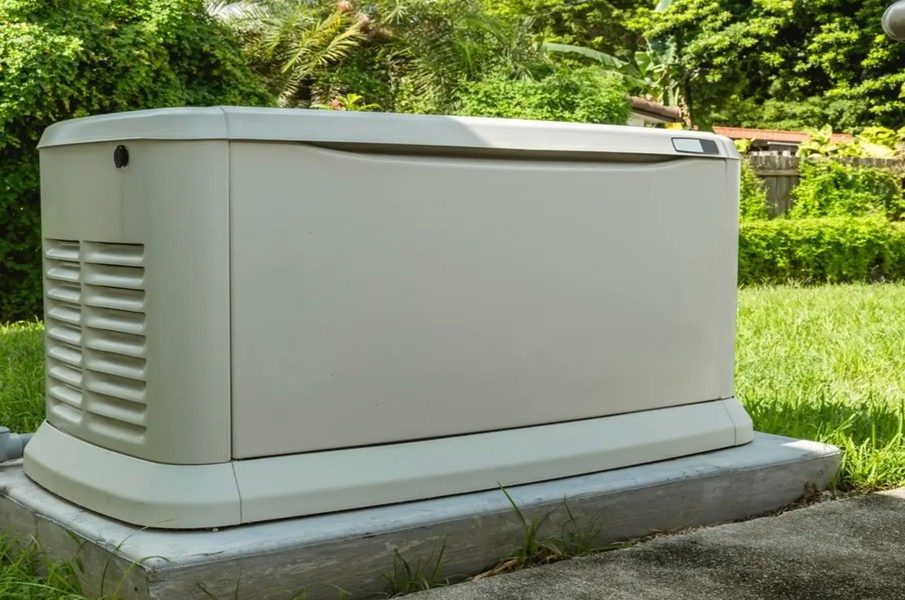
Power outages in Central Texas aren’t just inconvenient-they can disrupt your entire routine, especially during extreme summer heat or sudden winter freezes. For homeowners in Austin, investing in a standby generator isn’t just about comfort; it’s about reliability, safety, and long-term peace of mind.
But one of the biggest decisions you’ll face isn’t whether to install a generator-it’s which fuel type to choose.
When it comes to Standby Generator Installation In Austin, Texas, the debate often comes down to gas vs. propane. Both options offer dependable backup power, but they differ in availability, performance, maintenance, and long-term cost.
Let’s break it down in a way that actually helps you make the right decision-not just the cheapest one.
Why Fuel Type Matters More Than You Think
Most homeowners focus on generator size or brand, but fuel type is what determines how your system performs when you need it most.
Austin’s climate is unique:
- Long stretches of intense heat
- Occasional ice storms and grid instability
- Rapid population growth putting pressure on utilities
That means your generator needs to:
- Start reliably
- Run for extended periods
- Handle high electrical loads (especially HVAC systems)
Choosing between natural gas and propane affects all of that.
Natural Gas Generators: The “Set It and Forget It” Option
Natural gas standby generators are directly connected to your home’s gas line, which makes them incredibly convenient.
Advantages of Natural Gas
1. Unlimited Runtime (In Most Cases)
As long as your gas utility is running, your generator can continue operating. There’s no need to refuel or monitor tank levels.
2. Low Maintenance Fuel Supply
You don’t need to worry about fuel degradation or storage issues.
3. Convenience for Urban Austin Homes
In many Austin neighborhoods, natural gas is already available, making installation more straightforward.
Drawbacks of Natural Gas
1. Dependency on Utility Infrastructure
If the gas supply is disrupted (rare, but possible during extreme events), your generator won’t run.
2. Slightly Lower Energy Density
Natural gas produces less energy per unit compared to propane, meaning generators may deliver slightly less power output.
3. Installation Limitations
Not all properties-especially rural or developing areas outside Austin-have access to natural gas lines.
Propane Generators: Reliable and Self-Contained
Propane generators operate using a dedicated fuel tank installed on your property.
Advantages of Propane
1. Independence from Utility Lines
You’re not relying on a public gas system, which can be a major advantage during widespread outages.
2. Long Shelf Life
Propane doesn’t degrade over time, making it ideal for long-term storage.
3. Higher Energy Efficiency
Propane burns cleaner and often allows generators to operate at slightly higher efficiency levels.
Drawbacks of Propane
1. Limited Runtime
Your generator will only run as long as your tank has fuel. Larger tanks can extend runtime, but they add to upfront costs.
2. Fuel Monitoring Required
You’ll need to keep an eye on levels and schedule refills-especially before storm seasons.
3. Space Considerations
Propane tanks require space and must meet local setback and safety requirements.
Performance in Texas Weather
Austin’s weather can be brutal on electrical systems-and your generator needs to handle it.
Heat Performance
Both gas and propane generators perform well in high temperatures, but:
- Propane tends to burn cleaner, reducing carbon buildup
- Natural gas systems may run slightly hotter under heavy load
Cold Weather Reliability
During rare freezes:
- Propane systems can perform more consistently if properly regulated
- Natural gas lines can experience pressure drops during extreme demand events
This was a real concern during Texas winter storms, where energy demand pushed infrastructure to its limits.
Cost Comparison: Upfront vs. Long-Term
Installation Costs
For Standby Generator Installation In Austin, Texas, costs vary depending on fuel type:
- Natural Gas Systems
- Lower fuel storage costs
- May require gas line upgrades
- Propane Systems
- Higher upfront due to tank installation
- More flexibility in placement
Operating Costs
- Natural gas is typically cheaper per unit in Texas
- Propane can fluctuate depending on market conditions
But here’s the catch:
Cheaper fuel doesn’t always mean better value.
If your natural gas supply becomes unreliable during peak demand, that lower cost doesn’t help much.
Maintenance Differences
Natural Gas Systems
- Cleaner-burning than diesel
- Minimal fuel maintenance
- Regular servicing still required (oil changes, inspections)
Propane Systems
- Very clean-burning
- Tanks must be inspected
- Regulators and lines need periodic checks
In both cases, annual maintenance by a professional is non-negotiable if you want your system to last.
Which One Is Better for Austin Homeowners?
It depends on your property and priorities.
Natural Gas May Be Better If:
- You live in a developed Austin neighborhood
- You want minimal maintenance
- You prefer a “hands-off” system
Propane May Be Better If:
- You’re in a rural or semi-rural area
- You want independence from utilities
- You’re planning for worst-case scenarios
For many homeowners, the decision comes down to reliability vs. convenience.
Can You Install a Standby Generator Yourself?
Short answer: You shouldn’t.
Even if you’re handy, Standby Generator Installation In Austin, Texas is not a typical DIY project-and trying to treat it like one can create serious risks.
What’s Involved in Installation?
- Electrical panel integration
- Automatic transfer switch installation
- Fuel line connections (gas or propane)
- Permits and inspections
- Code compliance with Texas regulations
Why DIY Is Risky
1. Electrical Hazards
Improper wiring can lead to fires, electrocution, or damage to your home’s electrical system.
2. Code Violations
Austin has strict permitting and inspection requirements. Skipping these can result in fines or failed inspections.
3. Insurance Issues
Unlicensed work can void your homeowner’s insurance coverage.
4. Fuel System Dangers
Gas and propane connections must be done correctly to prevent leaks or explosions.
Why Hiring a Licensed Electrician Matters
Professional installation isn’t just about getting the job done-it’s about doing it right.
A licensed electrician in Austin will:
- Properly size your generator based on load calculations
- Ensure safe integration with your electrical panel
- Coordinate permits and inspections
- Verify compliance with local and state codes
- Optimize system performance for your specific home
When you’re investing thousands into a backup power system, cutting corners on installation doesn’t make sense.
Long-Term Thinking: Don’t Just Buy Cheap
It’s tempting to choose the lowest-cost option, but standby generators are long-term investments.
Think about:
- How often you lose power
- How long outages typically last
- Whether your home relies heavily on HVAC
- Your tolerance for maintenance and fuel management
The “right” system is the one that works when you need it-without surprises.
Final Thoughts
Choosing between gas and propane isn’t about which one is universally better-it’s about what fits your home, your location, and your expectations.
For many Austin homeowners:
- Natural gas offers convenience and continuous operation
- Propane offers independence and reliability in extreme scenarios
Either way, Standby Generator Installation In Austin, Texas should be approached with a long-term mindset. This isn’t just another home upgrade-it’s a critical system that protects your comfort, safety, and property value.
And while it might be tempting to take the DIY route, this is one project where professional expertise isn’t optional-it’s essential.