A Modern Approach to Efficient Home Comfort and Temperature Control
Keeping your home comfortable shouldn’t feel like a constant battle between rising energy bills and uneven temperatures. Yet, for many homeowners, that’s exactly the reality. Rooms that never quite cool down, heating systems that overwork, and outdated setups that waste energy have become all too common. The good news is that modern solutions are changing how we approach home comfort-making it smarter, more efficient, and far more adaptable to everyday living.
Today’s homeowners are no longer settling for basic heating and cooling. Instead, they are embracing advanced systems and smarter technologies that deliver consistent comfort while reducing energy consumption. This shift is not just about convenience; it’s about long-term savings, sustainability, and a better quality of life.
Why Traditional HVAC Systems Fall Short
Traditional HVAC systems were designed for a different era. They typically rely on centralized control, pushing air through ductwork to reach every room. While this approach works, it often leads to inefficiencies.
Air loss through ducts can account for a significant percentage of wasted energy. Additionally, these systems treat every room the same, regardless of usage or individual comfort preferences. This results in over-conditioning some areas while leaving others uncomfortable.
Maintenance can also become a recurring issue. Dust buildup, leaks, and aging components can gradually reduce performance, forcing the system to work harder and increasing energy costs.
The Rise of Smart Temperature Control
Modern temperature control is no longer limited to adjusting a thermostat on the wall. Smart systems have introduced a new level of precision and convenience.
With programmable and smart thermostats, homeowners can control temperatures remotely, set schedules, and even allow systems to learn daily routines. This means your home adjusts automatically based on your lifestyle, reducing unnecessary energy usage.
For example, lowering the temperature while you’re away and restoring comfort just before you return can significantly cut down on energy consumption without compromising convenience. Over time, these small adjustments lead to noticeable savings.
Zoned Comfort for Better Efficiency
One of the most effective advancements in home comfort is zoning. Instead of treating the entire house as one unit, zoning allows you to control temperatures in specific areas independently.
This approach ensures that energy is only used where it’s needed. Bedrooms can stay cooler at night, living areas can remain comfortable during the day, and unused spaces don’t require constant heating or cooling.
Zoned systems also improve comfort by addressing individual preferences. In households where temperature preferences vary, zoning eliminates the need for compromise.
The Growing Popularity of Ductless Systems
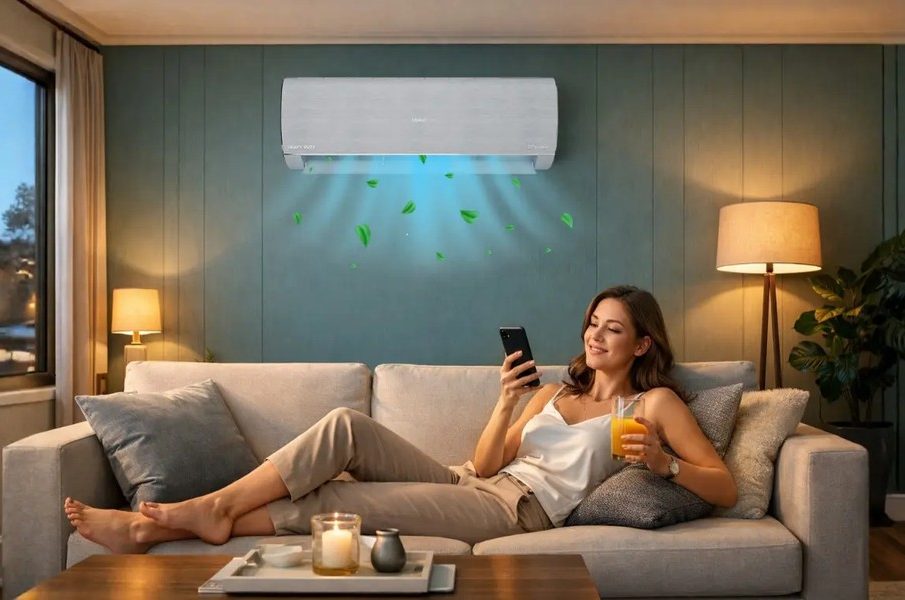
Ductless systems have become a preferred choice for homeowners seeking efficient and flexible solutions. Unlike traditional setups, these systems do not rely on ductwork, which immediately reduces energy loss.
They consist of an outdoor unit connected to one or more indoor units, allowing targeted temperature control. This setup makes them ideal for older homes, room additions, or spaces where installing ducts is impractical.
Homeowners exploring ductless system services in Wilmington, NC often find these systems particularly beneficial due to their ability to handle varying climate conditions efficiently. Whether it’s cooling a sunlit room or maintaining consistent indoor comfort during humid months, ductless solutions offer both reliability and performance.
Energy Efficiency and Cost Savings
Energy efficiency is at the core of modern home comfort systems. New technologies are designed to use less energy while delivering better results.
High-efficiency systems can significantly reduce utility bills over time. Many units now come with energy ratings that help homeowners make informed decisions. Additionally, smart features ensure that systems operate only when needed, avoiding unnecessary usage.
Investing in efficient systems may have an upfront cost, but the long-term savings often outweigh the initial expense. Reduced maintenance, lower energy bills, and increased system lifespan all contribute to better financial outcomes.
Improved Indoor Air Quality
Comfort is not just about temperature; it’s also about the quality of the air you breathe. Modern systems are designed to enhance indoor air quality alongside temperature control.
Advanced filtration systems remove dust, allergens, and pollutants, creating a healthier living environment. This is particularly important for households with children, elderly individuals, or anyone with respiratory concerns.
Humidity control is another key factor. Maintaining balanced humidity levels prevents issues such as mold growth, dry skin, and discomfort, ensuring a more pleasant indoor atmosphere year-round.
Sustainability and Environmental Impact
As environmental concerns continue to grow, homeowners are becoming more conscious of their energy usage. Modern HVAC solutions align with this shift by reducing carbon footprints and promoting sustainable living.
Energy-efficient systems consume less power, which translates to fewer greenhouse gas emissions. Some systems also use eco-friendly refrigerants that have a lower environmental impact.
Choosing sustainable options not only benefits the planet but also enhances the value of your home. Energy-efficient homes are increasingly attractive to buyers, making them a smart long-term investment.
Choosing the Right Solution for Your Home
Every home is different, which means there is no one-size-fits-all solution. Factors such as home size, layout, climate, and personal preferences all play a role in determining the best system.
Consulting with experienced professionals can help identify the most suitable options. They can assess your home’s specific needs and recommend solutions that balance comfort, efficiency, and cost.
It’s also important to consider future needs. A system that works well today should also be capable of adapting to changing requirements over time.
Conclusion
Modern home comfort is no longer about simply heating or cooling a space. It’s about creating an environment that adapts to your lifestyle, maximises efficiency, and supports long-term sustainability. With advancements such as smart controls, zoning, and ductless systems, homeowners now have more control than ever before.
By investing in the right technologies and solutions, you can enjoy consistent comfort, lower energy bills, and improved air quality-all while reducing your environmental impact. The shift toward smarter, more efficient systems is not just a trend; it’s the future of home living.