Stop work and avoid disturbing the material
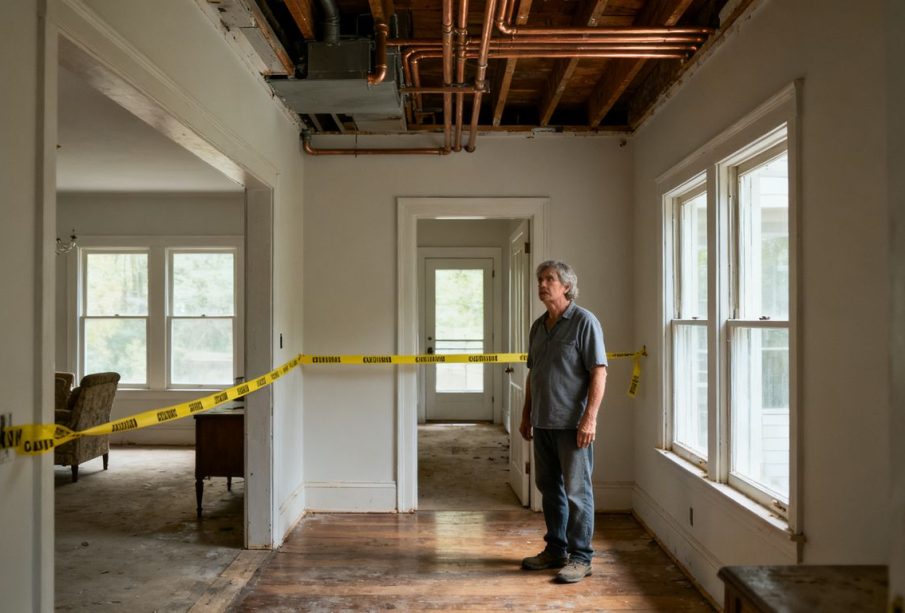
Finding a material that may contain asbestos can be unsettling, especially during a repair or renovation. The safest first response is to pause the work and limit activity around the area. Anyone wondering what to do if you find asbestos should treat the material as suspect until a qualified professional assesses it.
Leave the area undisturbed
Do not touch, scrape, move, or collect a piece of the material for inspection. Asbestos cannot usually be confirmed by appearance alone, and handling a sample can release fibers if the material is damaged.
Keep children, pets, and household members away
Close off access to the room or work area without brushing against nearby surfaces. Children and pets should not enter, since they may track dust into other parts of the home or disturb debris without recognizing the danger.
Turn off activities that could spread fibers
If it can be done without entering the affected area, pause fans, portable air cleaners that exhaust into other rooms, and other activities that move air through the space. Avoid creating drafts or carrying tools and materials away from the suspected location.
Avoid sweeping, drilling, cutting, or vacuuming
Dry cleanup and power tools can make settled dust airborne. Do not sweep, sand, drill, cut, scrape, or use a household vacuum on or near the material; professional guidance is safer than trying to make the area look tidy.
2. Assess the condition without handling it
A visual review can help a homeowner describe the situation, but it cannot identify asbestos with certainty. The useful questions concern location, condition, and whether recent work may have disturbed it. A careful, hands-off assessment gives an inspector better information without adding exposure risk.
Recognize common signs of damage
From a safe distance, look for crumbling edges, broken pieces, water damage, peeling coatings, or dust around a deteriorated surface. These signs do not prove that asbestos is present, but they can indicate that the material needs prompt professional attention.
Distinguish suspected asbestos from confirmed asbestos
Older homes may contain asbestos in flooring, pipe insulation, ceiling products, cement materials, wall compounds, or attic insulation. None of those materials can be confirmed reliably by sight, age, texture, or color; confirmation requires appropriate sampling and laboratory analysis.
Consider how renovations may have exposed the material
Think about what happened immediately before the discovery. Removing flooring, opening walls, scraping textured ceilings, cutting pipe coverings, or pulling out insulation can disturb materials that had remained intact for decades.
A short account of the work can help an inspector understand the potential pathway for dust or debris. The account should include the room, task, date, tools used, and whether visible dust or breakage occurred.
Document the location from a safe distance
If it can be done without entering the area or disturbing dust, record the room, approximate size, surrounding fixtures, and visible condition. Photographs taken from a distance may help a professional prepare, but the homeowner should not move objects or get close for a better angle.
3. Arrange professional asbestos testing
Testing is not a do-it-yourself task. A trained professional can determine whether sampling is warranted, select representative material, and send it to an appropriate laboratory. The asbestos exposure guide also explains why suspected materials should be handled cautiously and when professional inspection is appropriate.
Choose a qualified asbestos inspector
Look for an inspector with the training, accreditation, licensing, or certification required by the relevant state or local authority. The inspector should be independent enough to explain findings clearly and should describe the proposed sampling method before work begins.
Understand when sampling is necessary
Sampling is especially useful before remodeling or when a suspect material is damaged and may be disturbed. It may not be necessary immediately when an intact material will remain untouched, but that decision belongs to a qualified professional familiar with local requirements and the home’s planned use.
Review the inspection and laboratory report
The report should identify sampled materials, locations, laboratory findings, limitations, and recommended next steps. A positive result does not automatically mean every nearby surface contains asbestos, while a negative result applies only to the material and samples tested.
The homeowner should ask questions about inaccessible areas, additional materials, and whether renovation plans change the recommendation. Keeping a written record prevents later contractors from having to guess what was inspected.
Know which home materials commonly contain asbestos
Common possibilities include older vinyl flooring and adhesive, textured ceilings, pipe or boiler insulation, cement siding, roofing products, wallboard compounds, and vermiculite insulation. A state health overview of common household asbestos materials can help homeowners understand where suspect materials may occur, but it is not a substitute for testing.
4. Decide whether to leave, encapsulate, or remove it
The appropriate response depends on condition, location, future disturbance, and local rules. Asbestos that is intact and unlikely to be touched may be managed in place, while damaged or renovation-obstructing material may need specialized work. The decision should follow professional assessment rather than fear or an impulse to remove everything.
When leaving asbestos in place may be appropriate
Leaving a confirmed material in place can be reasonable when it is sound, isolated, and unlikely to be disturbed. This approach still requires avoiding nails, drilling, sanding, or other work in the area and informing anyone who may perform future maintenance.
How encapsulation can reduce the risk
Encapsulation places a suitable coating or covering over the material to help bind fibers or prevent contact. It does not make the asbestos disappear, and it must be selected and installed by professionals who can account for the material’s condition and the building’s moisture and maintenance needs.
Situations that may require professional removal
Removal may be recommended when the material is badly damaged, blocks necessary repairs, or cannot remain safely isolated. It can also be required by local regulations or project conditions before certain renovation tasks begin.
Factors that affect the recommended approach
The inspector and abatement contractor may consider several practical factors before recommending management or removal. These commonly include:
- Whether the material is friable, deteriorated, or likely to release dust
- Whether people routinely occupy or pass through the area
- Whether planned repairs will disturb the material
- Whether moisture, vibration, impact, or maintenance could damage it
That assessment helps match the response to the actual risk and prevents unnecessary disturbance. A written recommendation should explain both the proposed control method and the limits of that method.
5. Hire qualified asbestos professionals
When testing confirms asbestos or professional abatement is recommended, the contractor’s qualifications matter as much as the proposed technique. Homeowners should compare documentation and work plans, not simply choose the lowest estimate. A clear agreement also gives the household a better way to understand what will happen before, during, and after the work.
Verify licensing, training, and insurance
Ask for current licenses, worker training records, relevant certifications, and proof of liability and workers’ compensation insurance. Requirements differ by jurisdiction, so the homeowner should verify credentials with the appropriate state or local agency rather than relying on a verbal assurance.
Request a detailed abatement plan and written estimate
The plan should state the exact materials and areas involved, preparation steps, containment method, schedule, cleanup process, disposal arrangements, and total price. It should also distinguish included work from possible additional charges if hidden materials or unexpected conditions are found.
Confirm containment and air-control procedures
The contractor should explain how the work area will be isolated and how dust will be controlled. Depending on the project, this may involve barriers, controlled entry, protective equipment, specialized cleaning, and air movement designed to keep contaminants from spreading to occupied spaces.
Understand clearance testing after removal
After removal and cleanup, clearance procedures can help determine whether the area is ready for reoccupation under applicable rules. The homeowner should ask who performs the clearance, what testing is used, and how the results will be delivered in writing.
6. Handle damaged asbestos or possible exposure
A damaged material deserves prompt attention, but panic can lead to more disturbance. People should leave the area, prevent others from entering, and contact a qualified asbestos professional for instructions. The severity of a possible exposure cannot be determined from the appearance of a room alone.
What to do if asbestos-containing material is crumbling
Do not pick up fragments, sweep debris, or attempt to seal the area with ordinary household products. Keep people out, close doors if doing so does not disturb material, and call the relevant professional or authority for safe containment and cleanup guidance.
Steps to take after accidentally disturbing asbestos
Stop the activity and move away without tracking through dust or carrying tools into clean rooms. Do not shake clothing, brush off surfaces, or use a household vacuum; instead, explain exactly what happened, where it happened, and what cleanup has already occurred when speaking with a professional.
When to contact local health or environmental authorities
Local or state health and environmental agencies can explain notification, contractor, disposal, and emergency requirements. They should be contacted when a release is extensive, a regulated project may have occurred, debris has entered shared areas, or the homeowner is unsure which rules apply.
What to discuss with a healthcare professional
A healthcare professional can discuss the event, the nature and timing of the suspected exposure, symptoms, smoking history, and occupational or household exposure history. The person should not assume that immediate symptoms confirm asbestos-related illness, since many such conditions develop over long periods and require medical evaluation.
7. Plan safely for future repairs and renovations
The safest renovation plan addresses asbestos before demolition, not after a wall or floor has been opened. Records from testing and abatement can make future decisions faster and reduce the chance that a contractor accidentally disturbs a hidden material. The broader asbestos home safety guide also covers inspection, encapsulation, removal, and post-abatement air monitoring.
Check for asbestos before starting remodeling work
Before replacing flooring, altering walls, opening ceilings, repairing pipes, or disturbing insulation, determine whether affected materials have been inspected. If records are incomplete, a qualified professional should advise whether additional testing is needed before work begins.
Share inspection records with contractors
Provide contractors with reports, drawings, photographs, and any management or abatement plans before they price or schedule the job. The contractor should know which areas are restricted and should stop work if an unexpected suspect material appears.
Follow local disposal and notification requirements
Asbestos waste may be subject to specific packaging, transport, disposal, notification, and work-practice rules. The homeowner should not place suspect debris in ordinary household trash or arrange informal hauling without confirming the applicable requirements.
Keep documentation for future homeowners and maintenance work
Store laboratory reports, photographs, invoices, clearance documents, and contractor credentials with the home’s maintenance records. A clear file can protect future occupants and help maintenance workers avoid drilling, cutting, or opening a material that was previously identified.